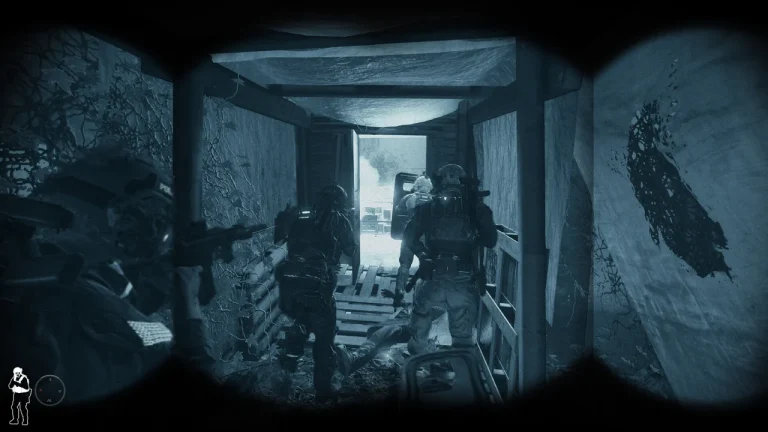
Ready or Not Night Vision vs Flashlight: Which to Use?
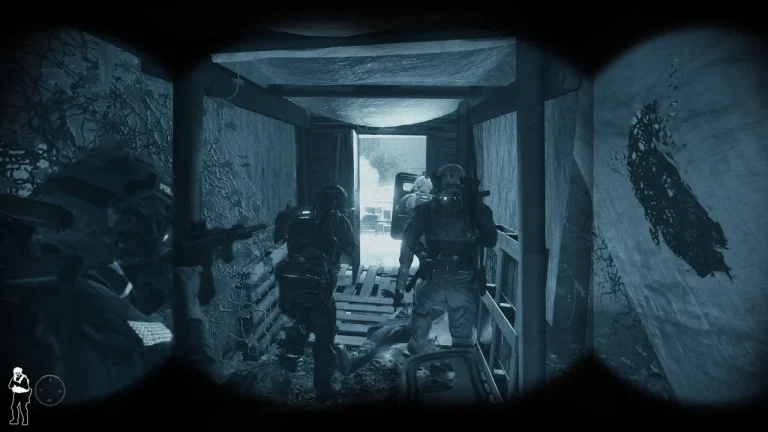
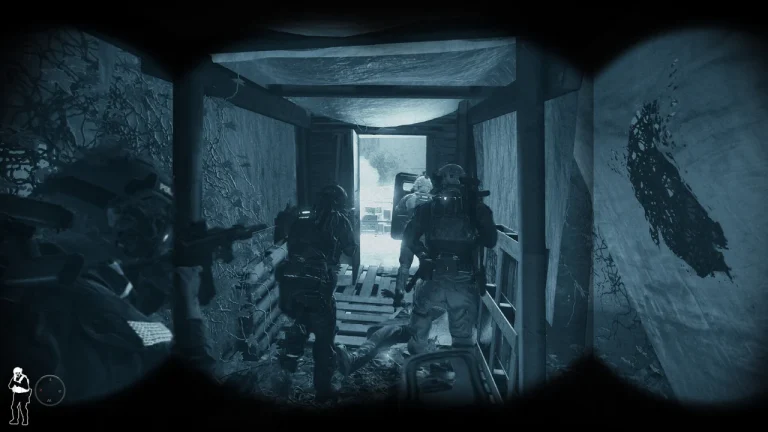
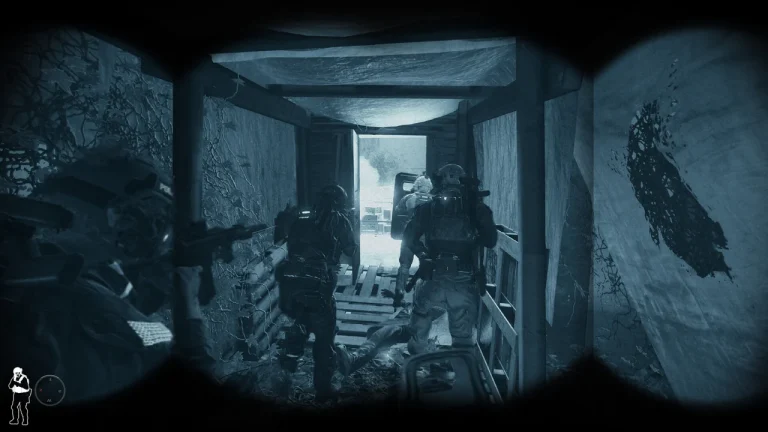
Choose visual tools by scene readability and optic behavior; check fitted and active devices and avoid treating preview claims as current settings.
Campaign lifecycle from save selection to station briefing and roster availability, mission completion and next-session continuity; distinct from stress-only guide.
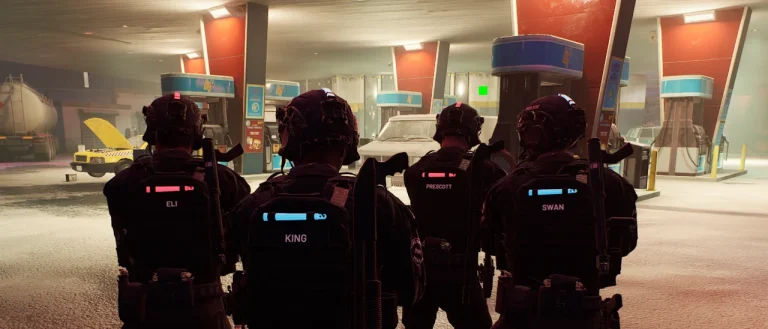
Voluntary human co-op responsibilities for two to five players, tablet briefings, gear coordination, game-only communication and handoff examples; no automatic AI role claim.
Commander Mode roster stress, therapy, rotation and mission conduct; distinct from NPC encounter stress; no fixed recovery timer or trait percentages.
An in-game equipment comparison covering lingering CS area effects, brief flash disruption, device and launcher variants, protection, observation and version-specific fixes.
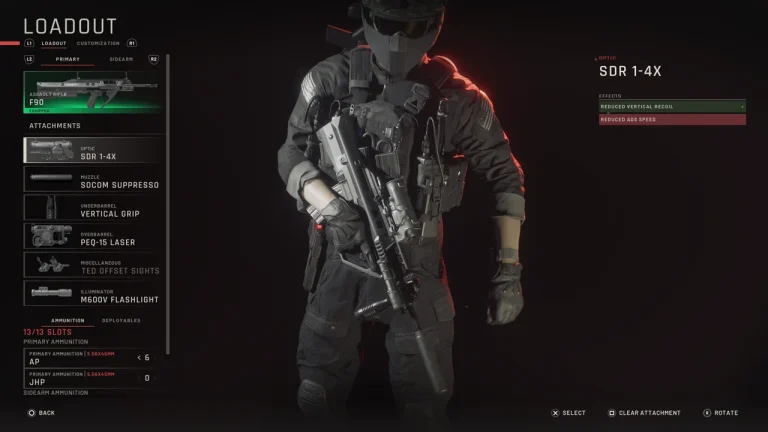
Game loadout compatibility, weapon variants, variable sights, magnifier and canted mode, multi-rail devices and per-item effects; released v1.4.1 separated from preview screenshots.
A singleplayer squad guide with colored elements, contextual targets, Fall In, Stack Up, equipment-dependent clear commands, queued execution and securing tasks.
A game encounter guide separating stress, morale, hesitation, compliance, restraint, reports, dropped weapons and renewed aggression.
An evidence task guide separating person reporting, weapon bagging, special objectives, AI assistance, visual outlines and trailer collection.
A civilian task guide with room search and voicelines, compliance, restraint and reports, contact movement, pre-restrained NPCs and trailer/objective verification.
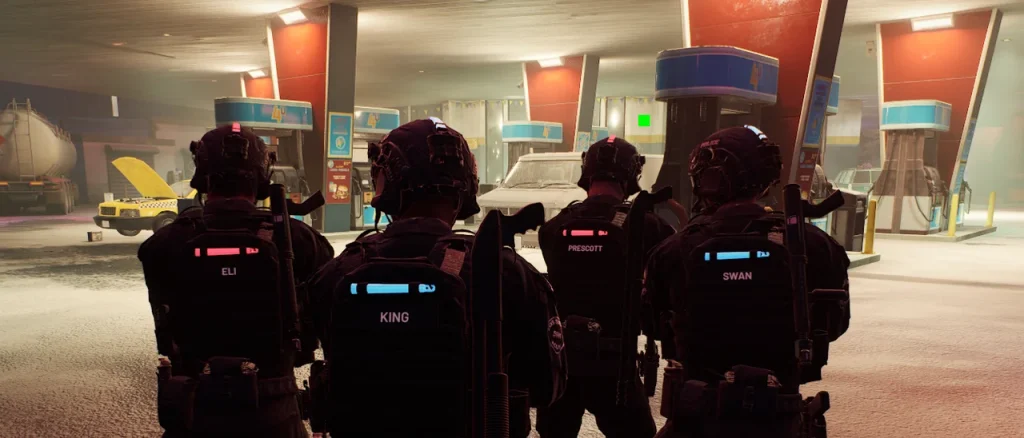
Five steps for using the mirror gun to gather useful information before an in-game door action, with camera limits and interaction troubleshooting.