Guide Squad
Squad Suppression Mechanics
Squad suppression mechanics explained with current update evidence: near misses, aim control, hold breath restrictions and practical recovery decisions.
Browse briefings, reviews and game choices by type or title.
Squad suppression mechanics explained with current update evidence: near misses, aim control, hold breath restrictions and practical recovery decisions.
Squad heavy anti tank guide covering kit selection, tandem rounds, range checks, resupply and team coordination before committing a scarce launcher.
Squad light anti tank guide for choosing rounds, checking launcher sights, coordinating resupply and assessing vehicle hits without wasting a kit.
Choose a stance by visibility, muzzle clearance and the movement needed next, then test the choice with a repeatable training routine.
Diagnose sight alignment, rail placement and close-obstacle impacts through repeatable in-game range checks.
Set up and use positional voice, team radio and short mission-state updates for clearer cooperative play.
A repeatable in-game recoil practice routine without invented universal sensitivity values or attachment rankings.
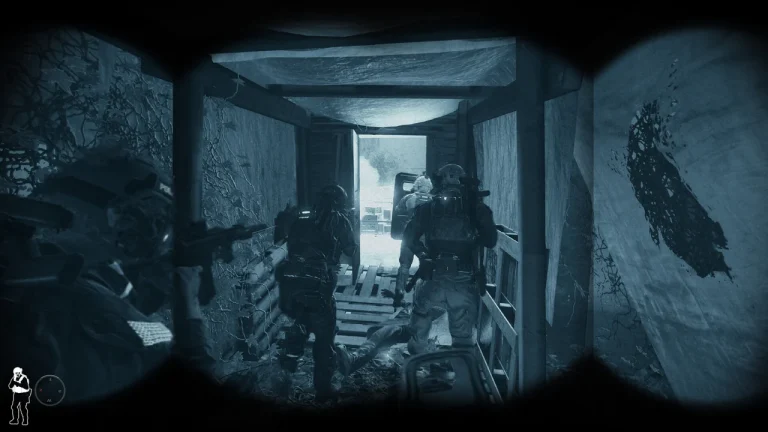
Choose visual tools by scene readability and optic behavior; check fitted and active devices and avoid treating preview claims as current settings.
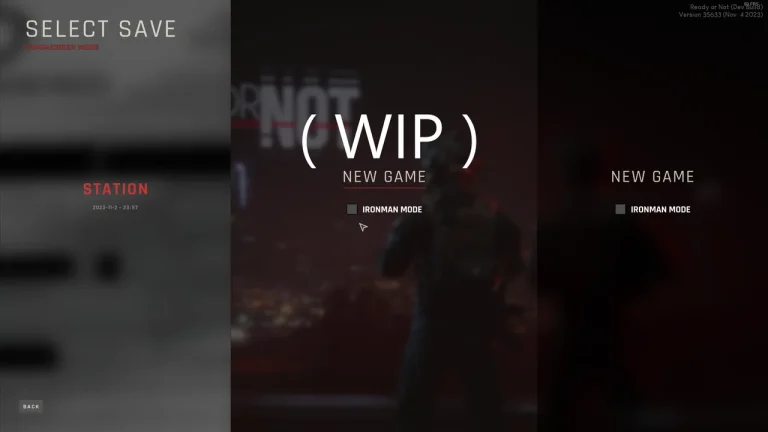
Campaign lifecycle from save selection to station briefing and roster availability, mission completion and next-session continuity; distinct from stress-only guide.
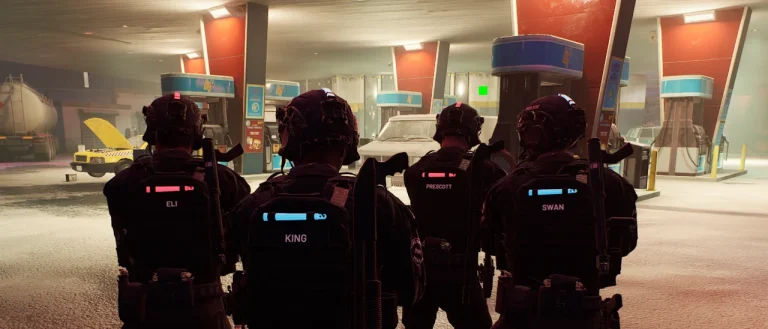
Voluntary human co-op responsibilities for two to five players, tablet briefings, gear coordination, game-only communication and handoff examples; no automatic AI role claim.
Commander Mode roster stress, therapy, rotation and mission conduct; distinct from NPC encounter stress; no fixed recovery timer or trait percentages.
An in-game equipment comparison covering lingering CS area effects, brief flash disruption, device and launcher variants, protection, observation and version-specific fixes.