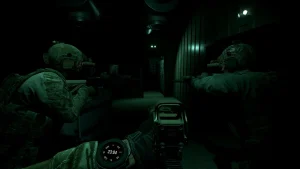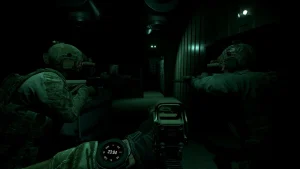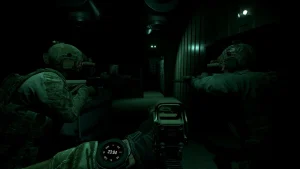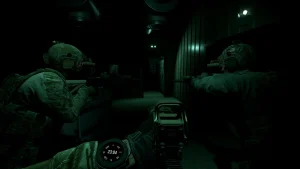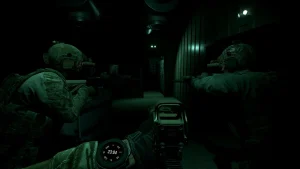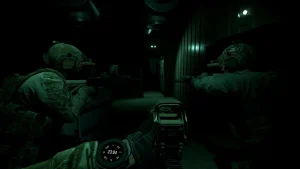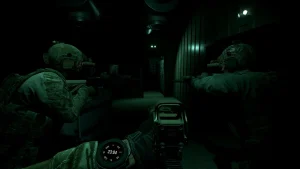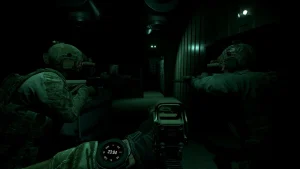
TL;DR: This Ground Branch terrorist hunt guide starts with a manageable mission configuration and a clear understanding of the objective. Use a familiar kit, check the selected map and difficulty, and keep the team aware of which areas have been checked. As the round nears completion, follow the remaining objective and actual AI behavior instead of assuming that the last enemies always stay where an old walkthrough showed them.
Learn the mode through repeatable runs, not by changing the map, kit and difficulty after every failure. The game randomizes enemies at mission start, so a successful route is a learning reference rather than a guarantee of identical encounters.

Checked November 9, 2026. This is a source-based game guide using the official Steam description and V1.0 release notes. No personal gameplay test is claimed. Chapter1 andV1.1.0 are announced for November12 and remain upcoming at this check; preview features are not treated as released.
On this page
Ground Branch terrorist hunt guide: what to learn first
The useful first-session goal is understanding the mode’s objective and the controls needed to finish it. Ground Branch’s quick missions and campaign Operations are distinct contexts. Check the actual mode selected in the current menu instead of assuming a campaign briefing supplies the rules for every hunt match.
The developer’s V1035.1 update describes changes to the hunt’s late-round rush behavior. V1.0 subsequently reworked enemy AI. Treat those dated announcements as context, not a fixed promise about every current difficulty or modded server.
1. Choose settings that let you recognize mistakes
Start with one map and a difficulty you can learn from. A run that ends before you understand the first encounter provides little useful feedback about your controls or objective workflow. Increase challenge after you can explain what happened, rather than because a harder label seems more legitimate.
Read the current mission parameters. Enemy quantity, selected variant, lighting and other displayed settings create the session’s context. Record the ones you change so a later result can be compared with the same conditions.
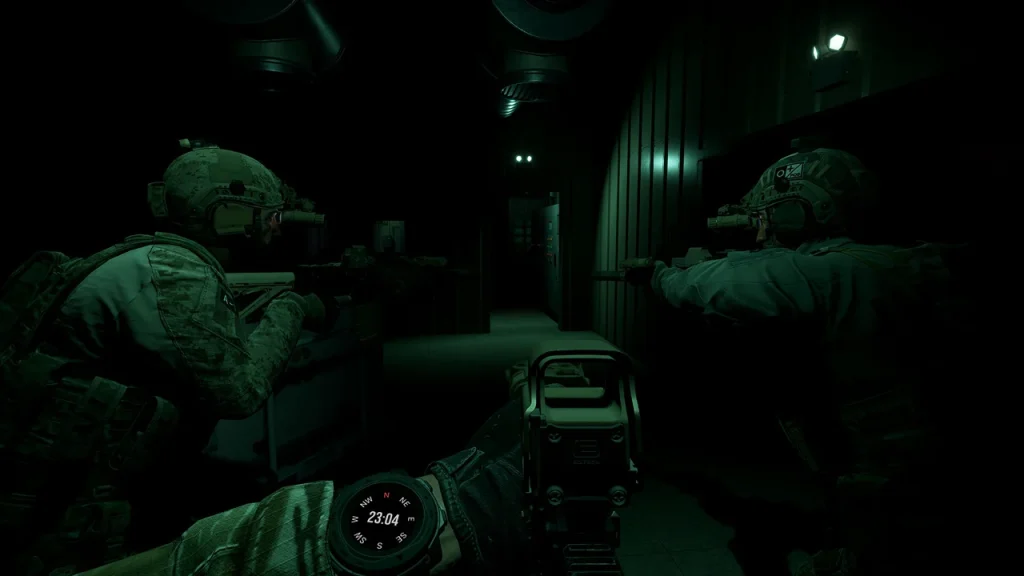
Keep day and night runs separate when learning. The official description distinguishes lighting variants, while V1.0 adds selectable moon phases. A route learned under one lighting setup does not guarantee the same visibility under another.
In co-op, agree the configuration before deploying. If one player expects a short training round and another silently selects a more demanding setup, the results are hard to interpret. A clear shared goal makes the run useful even when it fails.

2. Use a familiar kit with a defined purpose
The official description allows extensive loadout customization and says equipment is available without an unlock grind. Choose a kit because you understand its controls and visible behavior. You do not need the most elaborate attachment arrangement to learn the mode.
Test the weapon sight and handling in the Ready Room or training area before the mission. The game uses eye-position cameras and muzzle-origin shots, so a clear sight picture does not guarantee that the muzzle is unobstructed near cover.
Keep the initial equipment choice stable across a few runs. If every failure triggers a completely different rifle, armor platform and input setup, it becomes difficult to distinguish loadout problems from map knowledge or rushed decisions.
Use current loadout information when considering extra equipment. V1.0 includes the armor system, and its notes explain that old saved plate-carrier kits may lack the new plates. Do not assume an old kit has the same protective state as a freshly selected platform.
3. Keep a simple record of checked areas
In co-op, identify areas by names the group understands from the map or shared view. A short callout about the room or section you checked helps prevent the team from repeatedly searching the same location while leaving another area uncertain.
Do not turn checked into permanently safe. The official description randomizes initial enemy placement, and the release notes discuss AI movement, retreat and guard behavior. Maintain awareness of the current round rather than treating one cleared-looking corridor as a universal rule.
Avoid claiming exact enemy counts from memory. Use the mode’s actual objective feedback and displayed state when available. An old video can teach map layout while still showing a different configuration or version.
For solo learning, keep the record small. Remember the major sections you have inspected and one uncertainty you still need to resolve. A manageable mental map is more useful than an elaborate route you cannot maintain while using unfamiliar controls.
4. Read what the AI actually does
V1.0’s official notes describe changes to perception, reactions, guard points, retreat and morale. Those changes are a reason to avoid treating older encounter scripts as permanent. Watch whether an enemy is moving, guarding or seeking cover in the current round.
A contact disappearing from view is incomplete information, not proof that it has been removed from the objective. The game does not offer the same constant hit markers and kill confirmations advertised by many arcade shooters. Use the visible round state and actual outcome.
Do not assume all enemies funnel toward the same place. The release notes explicitly discuss tethered defender behavior. A tactic learned around earlier AI movement may therefore answer a different version of the game.
When an encounter goes wrong, identify one observable cause: an obstructed muzzle, an unfamiliar control, a mistaken location or an unrecognized movement. That is more useful than attributing every loss to impossible AI without checking the situation.

5. Coordinate without burying useful information
Ground Branch provides positional voice and team radio in its official description. Use the channel appropriate to the message. Nearby coordination and a team-wide update are different needs; sending every local detail to the entire group can make urgent information harder to hear.
State your location and what changed. A brief message such as a checked section, a teammate moving or an unfinished objective helps the group make the next decision. Avoid commentary that contains no actionable state.
Confirm responsibilities when the group separates. If several players assume someone else inspected a section, the remaining hunt can turn into repeated searching. A clear handover is more useful than silently abandoning an area.
Mic-less players can use the advertised text chat and pre-recorded voice messages, but should establish the team’s expectations before deploying. The communication method is part of the session setup, not something to discover after the first confusion.

6. Treat the end of the round as its own task
When the objective is nearly complete, read the remaining state rather than wandering without a question. Which sections remain uncertain? Has the selected mode changed the final behavior? Are teammates still operating with the same location assumptions?
The developer’s older hunt updates describe a rush triggered by the last remaining enemies, but those entries are dated and note work in progress. Check current behavior and difficulty rather than promising an exact trigger threshold that this guide has not verified.
If progress appears stuck, verify the mode, objective and server modifications. A custom mission can differ from the unmodified quick mission you intended to learn. Record the context before deciding that the base mode is broken.
Avoid turning the final search into an equipment-changing exercise. Finish diagnosing the round first. If the problem is an unchecked section or misunderstood objective, another attachment will not explain it.
7. Use the after-action review to choose one improvement
The official description includes after-action review following missions. Use it with your own notes about configuration and observed mistakes. Review the sequence leading to the problem rather than only the final result.
Pick one change for the next run: slower input, a better-understood kit, clearer area names or a different difficulty. Keep the other variables stable long enough to see whether the change solves the cause you identified.
When the basic mode becomes familiar, add a night variant or a more demanding configuration. This progression tests a new question while preserving the controls and objective workflow you already know.
For the next focused lesson, browse the military game guides and the Ground Branch hub. Keep mode learning separate from advanced equipment decisions so each article answers one practical problem.
Hunt mode questions
Is the enemy layout identical on every attempt?
The official description says enemies are spawned at mission start with randomized quantity and location. A repeated map can therefore teach the environment without providing an identical sequence of enemies.
Does an old final-enemy trick work in every version?
Do not assume so. The developer has changed hunt behavior and reworked enemy AI across releases. Check the current mode and configuration rather than treating a dated trigger or route as universal.
What should I change after an unsuccessful run?
Change the specific cause you observed. A simpler kit, clearer area tracking or a more manageable difficulty can provide a useful next test. Changing all three at once makes the result harder to understand.