This Animal Crossing New Horizons turnip selling guide follows one weekly routine: buy turnips from Daisy Mae on Sunday morning, record what you paid per turnip, and check Timmy and Tommy’s buying price twice each weekday and Saturday. Sell directly inside Nook’s Cranny before the following Sunday at 5 a.m., when unsold turnips spoil. You can also sell on another player’s island, but you need an open shop and a current price there. A high price is useful only if you actually complete the sale.
The Stalk Market offers uncertain returns. There is no guaranteed profitable week, and a low Monday price does not establish the entire week’s pattern. Start with a purchase you can afford to lose, keep a simple price record, and decide when you will accept a sale before you become distracted by screenshots of someone else’s enormous payout.

On this page
Animal Crossing New Horizons Turnip Selling Guide: Start on Sunday
Daisy Mae visits after Nook’s Cranny has been built. Her normal selling window is Sunday from 5 a.m. until noon, using the island’s in-game clock. Find her wandering outdoors and check the quoted price before buying. Her presence later in The Roost is a separate visit; do not plan your purchase around a Sunday afternoon café encounter.
Separate the unit price from your total investment. If you buy 1,000 turnips at 100 Bells each, the cost is 100,000 Bells. These numbers are an illustrative calculation, not a forecast or a recommended purchase size. Recording both figures makes it easier to judge a selling price and prevents a stack count from being mistaken for the number of individual turnips.
Choose the budget around your upcoming island expenses. Keep money for a bridge, home payment, or furniture purchase if those matter more than speculation. Spending every available Bell on turnips can leave you stuck waiting for a sale while ordinary island progress pauses. A smaller first purchase lets you learn the schedule without making one missed shop visit expensive.
Keep your bought turnips together where you can find and collect them when it is time to sell. Do not eat your stock while trying to organize it. If you leave turnips outdoors, remember that visitors may be able to pick them up and that dropped items can affect island evaluations. For that separate goal, use the New Horizons island rating guide.
Check prices before and after noon
Timmy and Tommy have a morning buying price and an afternoon buying price. Noon is the change between the two periods. Check inside Nook’s Cranny while the shop is open, ask for the turnip price, and write down the day and whether it is the morning or afternoon quote. One daily check misses half the information you could collect.
A compact record can contain your Sunday purchase price followed by Monday morning, Monday afternoon, and the remaining weekday and Saturday slots. Mark a missed check as unknown rather than repeating the previous number. If you use a prediction tool, incorrect entries can produce an apparently precise result based on a week that never occurred.
Nook’s Cranny normally opens from 8 a.m. to 10 p.m. in New Horizons. The Early Bird ordinance changes that to 7 a.m. to 10 p.m.; Night Owl changes it to 8 a.m. to 11 p.m. Check your own island’s ordinance and clock. Waking up after noon means the morning quote has already passed even if you have plenty of time before the shop closes.
Plan a reminder around an activity you already do: check the morning price when you first log in and the afternoon price during a later session. If your work or school schedule makes two checks unrealistic, buy less and arrange a trusted friend’s price check in advance. Missing a period is ordinary; it becomes a financial problem when your plan requires you to catch every possible peak.
Use patterns as clues, not promises
The familiar Stalk Market patterns are decreasing, small spike, large spike, and fluctuating or random. A decreasing week can leave your own shop below the purchase price throughout. Spike patterns include a period of rising prices followed by a fall. A fluctuating week moves through several rises and drops without delivering the enormous peak people often hope for.
Early prices can fit more than one pattern. Several low quotes do not prove that you should sell immediately, but they also do not guarantee a large spike later. Treat a pattern predictor as a way to narrow possibilities from recorded data. Read its remaining ranges and uncertainty, and update it whenever you obtain the next real quote.
Your practical decision also depends on availability. A moderately profitable quote on a day when you can play may be worth accepting if you will miss the next several periods. Waiting for the theoretical best price has a cost when you cannot check the game or cannot travel to a friend’s island during its selling window.
Set a sale target and a final deadline. For example, you might accept a price comfortably above your purchase cost and decide that Saturday afternoon is the latest session you will leave the decision open. That is a planning example, not an optimal strategy. The right target depends on your budget, tolerance for a loss, and access to other islands.
Sell directly inside Nook’s Cranny
- Collect the turnips you intend to sell and confirm the current island time.
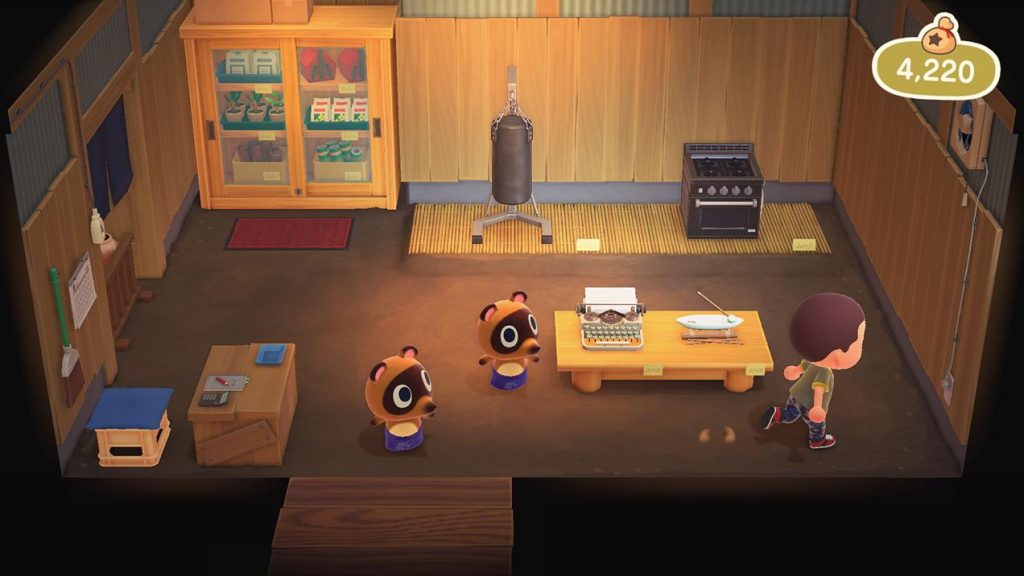
- Enter the open shop and ask Timmy and Tommy for the current buying price.
- Use the regular selling conversation, select the turnips, and review the offered total.
- Confirm the sale, then record the proceeds so you can compare them with your purchase cost.
The outdoor drop-off box does not accept turnips. It is not an after-hours fallback, so do not leave your last sale until after the shop shuts on Saturday. You need the ordinary in-store transaction while the store is open. Daisy Mae sells turnips on Sunday; the shop does not offer the normal Sunday turnip sale you might be expecting.
Calculate profit from the full transaction rather than the buying price alone. In the earlier example, selling 1,000 turnips at 150 Bells each brings 150,000 Bells, giving a 50,000-Bell gain before any travel fee you agreed to pay. Selling them at 80 brings 80,000 Bells, a 20,000-Bell loss. A loss before the deadline may still preserve more value than letting the entire stock spoil.

Selling on a friend’s island
Another island can provide a better quote when yours has a poor week. Ask the host for the current price, its morning or afternoon period, the local time, and whether the shop will stay open long enough for your visit. An old screenshot is not confirmation that the displayed price still applies.
Carry the turnips you need, travel through the available multiplayer method, and check the quote in the host’s shop before confirming. If your stock needs multiple trips, allow time for travel and conversations. A noon price change or closing time can interrupt a plan that looked straightforward when the first trip began.
Agree on any entry fee or tip beforehand and include it when deciding whether the trip is worthwhile. Follow the host’s island rules and keep the route to the shop clear. Do not depend on a stranger remaining online until the final minute; have a simpler local sale available if access falls through.
Prevent spoilage and clock mistakes
In New Horizons, unsold turnips spoil at 5 a.m. on the following Sunday. The useful selling deadline is earlier: before your final accessible shop closes on Saturday. Leaving a reminder for Sunday morning is too late for the stock bought the previous week.
Backward time travel spoils turnips even when the clock stays within the same week. Moving forward beyond the current week also spoils them. Forward movement within the current week does not automatically cause spoilage, but it can skip the price period or shop session you intended to use. The straightforward plan is to keep the clock unchanged while you hold stock.
Moving the turnips to a table does not preserve them in New Horizons. That advice refers to an older Wild World glitch and should not be transferred to this game. Furniture placement is not a substitute for selling before the deadline. Once turnips have spoiled, you cannot sell them as fresh turnips at the quoted Stalk Market price.
Frequently asked questions
Why can’t I sell turnips in the drop-off box?
The box excludes turnips. Bring them inside Nook’s Cranny during opening hours and use Timmy and Tommy’s normal selling conversation. If the store has closed, you need another open island or the next valid shop session before your stock spoils.
Should I wait for a large spike every week?
No. Your island may have another pattern, and the information available early in the week can be inconclusive. Use recorded prices to guide the choice, but accept a sensible offer when your schedule or approaching deadline makes further waiting impractical.
Can I recover turnips after changing the clock backward?
Changing it forward again does not turn spoiled turnips back into fresh stock. Before adjusting system time, finish the sale or accept the risk of losing the purchase. For future weeks, keep the purchase cost small enough that an accidental missed deadline does not derail your island plans.
Sources
- Nookipedia: Turnip — selling window, spoilage, and game-specific clock rules.
- Nookipedia: Daisy Mae — New Horizons visit requirements and hours.
- Nookipedia: Stalk Market — daily price periods and pattern overview.
- Nookipedia: Nook’s Cranny — shop hours, ordinances, and drop-off exclusion.