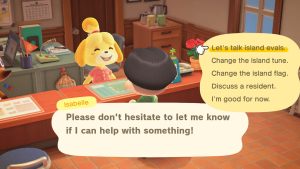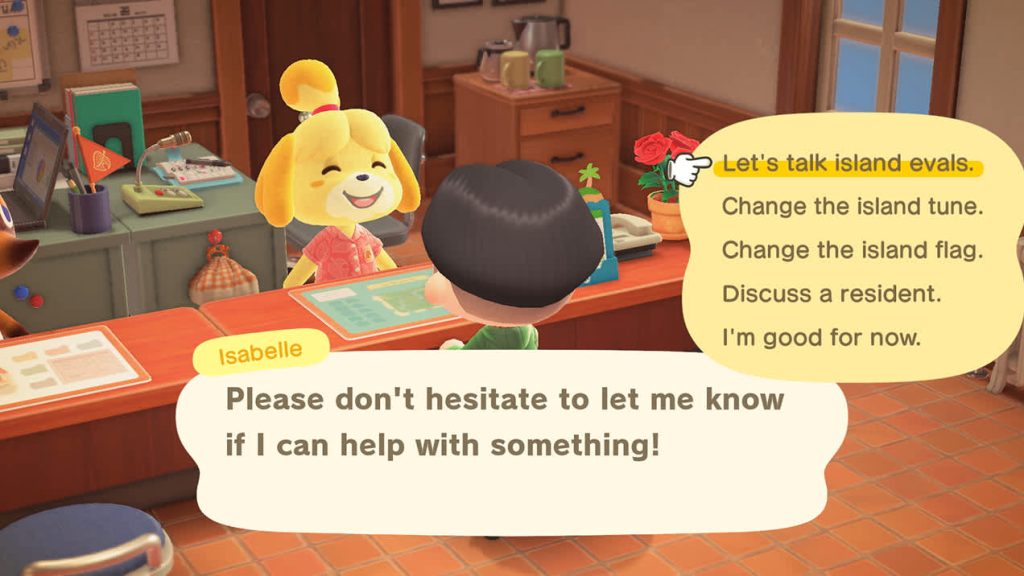
TL;DR: Ask Isabelle for the current island evaluation, then work on the category she says is missing. New Horizons uses both development and scenery points, so outdoor furniture and infrastructure need to be balanced with plants and other scenery. Clean up dropped items and excessive crowding before trying to force a five-star result.
This Animal Crossing New Horizons island rating guide follows a simple loop: read Isabelle’s feedback, make a small set of relevant changes, and ask again. A beautiful-looking island and a qualifying score are related but different goals. The evaluation uses specific objects and conditions rather than judging whether your design follows a popular theme.
Three stars advances Project K and the path toward K.K. Slider’s first concert and Island Designer. Five stars provides the Golden Watering Can DIY recipe. Choose the target you need now instead of rebuilding the entire island before you have unlocked the basic tools.

On this page
Start with Isabelle and the Current Feedback
Island evaluations become available through Isabelle at Resident Services after the relevant early settlement progress. The Nookipedia reference identifies the sixth villager moving in and unpacking as the point after which the rating can be viewed.
If the option is absent, continue the current island-development objectives rather than scattering dozens of items in the hope of unlocking the conversation. Resident Services progress and resident arrivals are part of reaching the evaluation stage.
When the menu is available, note both the star rating and the suggested action. Isabelle can point toward population, development, foliage, or clutter issues. That feedback is more useful than copying a fixed shopping list from an island with different existing buildings and plants.
Understand the Two Point Categories
Development includes buildings, residents, and items placed outside. Scenery includes plants and relevant crafted decorations. Both categories need to meet the desired threshold; adding more items in a category that is already sufficient will not fix the other missing category.
| Goal | Development threshold | Scenery threshold |
|---|---|---|
| Three stars | At least 160 | At least 270 |
| Five stars | At least 665 | At least 450 |
These community-documented thresholds describe the two point requirements, not a guarantee that any island with enough objects receives the desired rating. Resident progression, excessive vegetation, dropped items, and layout conditions can still prevent the result.
Use the figures to understand why two kinds of improvement matter. You do not need to count every hidden point before taking useful action. Isabelle’s current feedback lets you make a practical change and then see whether the limiting category improved.
Build Development through Useful Outdoor Areas
Place furniture outside as furniture rather than dropping it as a leaf-shaped inventory item. A placed bench is a decoration; a dropped item awaiting collection is a different state. This distinction matters when you use the island as temporary storage.
Create small useful areas such as a seating spot, a garden workspace, or a beach setup. Include varied items and enough open space to move through them. Large clusters of identical objects can incur duplicate penalties instead of being the efficient solution you expected.
Buildings and infrastructure also contribute. The Museum, Able Sisters, bridges, and inclines are development elements in the community reference. Finish the facilities you need and grow the resident population when the game and Isabelle direct you to do so.
Choose infrastructure for access as well as rating. A bridge that connects a frequently used route has a practical benefit after the score target is reached. Spending Bells on an awkward crossing only for points can leave you paying again when you redesign later.
Add Plants and Scenery without Overgrowing
Grow flowers and keep a useful mix of trees and other plants. The documented scenery values depend partly on growth stage, so newly planted seeds and mature flowers are not identical contributions. Give plants the space and conditions they need to grow before deciding that planting did nothing.
Ordinary flower colors can contribute. You do not need to breed a rare hybrid for every garden merely to begin improving scenery. Arrange flowers where you want to maintain them rather than planting a giant inaccessible patch solely for a number.
Trees help until excessive growth becomes a problem. Nookipedia describes an overgrown condition when the tree contribution exceeds the documented cap. If Isabelle reports too much vegetation, add other types of scenery or remove the excess rather than planting more trees again.
DIY furniture also belongs in the scenery calculation. Use crafted pieces as part of the outdoor plan, balancing them with plants and development items. A themed area can serve both the design and rating goals when its actual objects address the missing category.

Clean Dropped Items and Spread Dense Clusters
Walk the island and collect deliberately dropped tools, materials, furniture leaves, and other stored objects. Use proper storage or another suitable holding arrangement instead of keeping a large temporary stockpile on the ground.
Naturally appearing objects are a separate case. The community reference distinguishes naturally spawned shells, fruit, sticks, and rocks from dropped inventory items. Diagnose your own stockpiles first rather than assuming every object you can pick up is the same rating problem.
Spread furniture through several accessible areas. Copying the same item many times into one small square can trigger repetition or crowding problems. A varied design with room to walk is easier to maintain and easier to inspect when you return for another evaluation.
If you bought turnips, keep the temporary stock organized and sell it on time. The New Horizons turnip selling guide covers the deadline and clock rules. Spoiled turnips create a different cleanup issue from useful decorations.
Work toward Three Stars before Chasing Five
For the first target, finish the relevant early development, add a reasonable set of outdoor items, and maintain enough plant scenery. Ask Isabelle again after a focused batch of changes. This reveals whether you solved the problem or need to work on a different category.
Once Project K proceeds and the first concert is complete, use the new design options to refine the island. A three-star milestone gives you access to more tools; it does not mean every temporary item must stay forever.
For five stars, keep balancing categories and removing conditions that cap the result. If the rating remains at four despite many additions, pay attention to the specific complaint. Adding another expensive object does not solve an overgrown or cluttered island.
Frequently Asked Questions
Do indoor decorations raise the island rating?
Focus this task on the outdoor island evaluation. The interior home assessment is a separate system, so decorating a room does not replace the outdoor development and scenery work described here.
Does a dropped furniture leaf count like a placed item?
No. Place the furniture for decoration. A dropped inventory item is a different state and can contribute to clutter problems.
Must I copy a popular island theme?
You can use your own layout and theme. The rating follows its object and condition rules rather than requiring a particular visual style.
Why did planting more trees not produce five stars?
Scenery is only one category, and too many trees can cause an overgrown condition. Read Isabelle’s feedback and balance development, other scenery, and cleanup.
Next step: Ask Isabelle, write down the limiting category, and make one small improvement batch before checking again.
Sources and Game Scope
- Nookipedia: Island evaluation provides the New Horizons point categories, thresholds, feedback, rewards, and clutter distinctions.
- Nookipedia: Turnip supports the separate spoilage warning. References were read November 11, 2026; rules from earlier Animal Crossing games were not substituted for New Horizons.