TL;DR: Start with correspondence chess on Lichess if you want a familiar board game that can unfold a move at a time. Choose UniWar if you prefer tactical units, terrain and team battles on mobile. These are focused starting points for friends who cannot be online together. Set comfortable turn expectations before starting, because asynchronous play removes the shared appointment while keeping a responsibility to opponents.
The best asynchronous multiplayer games fit the way your group actually checks in. A parent who can make one considered move each evening needs something different from a friend who wants to answer several times during lunch. This selection favors established formats with a clear next player rather than counting every online game as asynchronous.

On this page
Best Asynchronous Multiplayer Games: Pick a Turn Structure
In ordinary live multiplayer, players share a session. In asynchronous play, the game retains its state while participants take turns at different times. You can close the application, return later and respond to the changed position. A slow turn-based game is only useful for this purpose when its actual mode lets participants leave between turns.
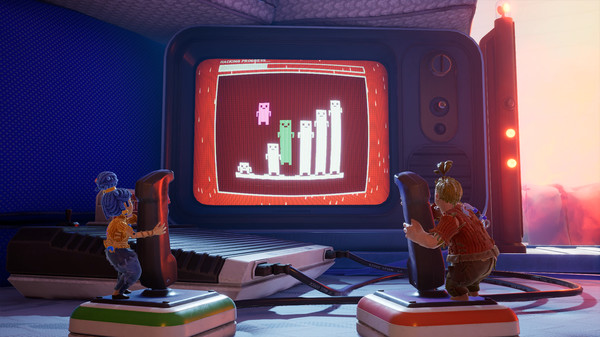
That distinction rules out many attractive recommendations. It Takes Two requires both players online together in its online mode. A real-time kitchen in Overcooked! 2 also needs active coordination. If your friends can share a brief appointment instead, use our co-op games for short sessions to find a different kind of fit.
This article offers two contrasting choices rather than a claim that every possible asynchronous release has been tested. Lichess represents a classic competitive board game. UniWar offers a larger tactical battlefield and team options. The comparison is based on their official descriptions and rules, with no invented performance measurements or matchmaking results.
1. Correspondence Chess on Lichess: A Clear One-Move Habit
Correspondence chess works well when you want one compact decision at a time. Your opponent makes a move, you examine the position, and you send your reply. The board itself records the shared problem, so you do not need a long chat recap to remember what the other player did.
It is especially approachable for friends who already know how the pieces move. Learning basic checkmate patterns and reading the threats in the current position matter more than rapid mouse movement. A player with limited free time can still take a meaningful part in the game without agreeing to a continuous evening session.
Select the correspondence option and inspect the displayed time control before sending an invitation. Choose a deadline that survives an ordinary busy day. If both people usually reply faster, that is welcome, but it should remain a courtesy rather than an unwritten demand that contradicts the selected mode.
Lichess has a specific fair-play distinction: its FAQ allows an opening book in correspondence chess while prohibiting chess engines. Rules from other correspondence organizations do not automatically apply. Agreeing to play slowly is not agreeing that a computer may choose moves for either person.
A practical opening routine is to check what your opponent threatens, identify whether your king is exposed, and then compare a few legal replies. Before submitting, look for an undefended piece or an immediate check you missed. This review gives the extra thinking time a purpose without requiring exhaustive analysis of every possibility.
Choose this option if you enjoy a clear competitive contest and a small, readable board. Avoid it if one friend dislikes direct competition or wants shared character progression. Correspondence changes the schedule of chess; it does not turn chess into cooperative adventure.
2. UniWar: Tactical Maps and Several Ongoing Matches
UniWar’s official description presents turn-based battles involving different races, units, bases and terrain. It supports online games against friends or strangers, including free-for-all and team matches. The site explicitly says that you can have multiple active games and play when your turn arrives.
That makes it a stronger fit for someone who wants more spatial planning than a word exchange. A move can involve considering where units stand, which bases matter and how terrain changes the next engagement. The attraction is a tactical decision you can return to, rather than a reflex challenge you must remain present to complete.
Start with a simple match against a willing friend and learn the available units before joining many games. Read the rules and the displayed turn settings in your installed version. A large queue can feel convenient until several opponents respond on the same evening and every match suddenly needs attention.
In a team match, tell your partner the intent behind a move that affects the shared front. A brief note such as protecting a base or waiting for another unit can prevent contradictory plans. Asynchronous communication works best when it explains the immediate decision instead of requiring teammates to reconstruct an entire strategy from the board.
Choose UniWar when your group enjoys terrain, positioning and tactical planning. Prefer correspondence chess when everyone already knows chess and wants minimal rules overhead. Both games can accommodate separate schedules, but the amount of information you must remember between turns is different.

Agree on Three Rules Before Starting
First, establish a normal response pace. Saying “most evenings, with weekends sometimes slower” gives people a workable expectation. Selecting an aggressive timer while promising relaxed play produces avoidable forfeits and frustration. Use the game’s actual settings and your agreement together.
Second, limit the number of concurrent games. Begin with one match per opponent, then expand only when responding remains pleasant. Multiple games increase the chance that something is ready when you check in, but they also increase the obligation to keep every participant moving.
Third, decide how to handle absences. A short message before travel is more useful than silently disappearing. Check whether your chosen game has vacation or timing options rather than assuming it does. If it cannot accommodate the interruption, finish the current match before opening another.
Make Returning to a Game Easier
At the end of a turn, remember the one threat or goal that matters next. When you return, inspect the opponent’s changes before continuing that plan. A tactic that looked safe yesterday may fail after a new move, and asynchronous play makes that stale-plan mistake easy to overlook.
Keep game notifications useful by enabling them only where you actually want reminders. Do not depend on a push notification as proof that a move has been submitted. Confirm the board or turn indicator changed, particularly after a poor connection, before closing the application.
Frequently Asked Questions
Are asynchronous games the same as short-session games?
No. A short live session still requires everyone to be present together. Asynchronous play lets participants respond at different times, although each individual turn can also be brief.
Can Lichess correspondence players use engines?
No. Lichess prohibits engine assistance in correspondence games. Its opening-book allowance is a narrower rule and does not permit an engine to select your move.
Can UniWar support more than one active match?
Yes. Its official description explicitly allows multiple active games. Start with a small number so that convenience does not become a backlog of overdue turns.
Which should a group try first?
Try correspondence chess when the participants already know chess. Try UniWar when you want tactical units and team options. Run one low-pressure match first, then decide whether its rules and response pace suit the group.
Next step: Pick one game, agree on the expected response pace and complete one match before adding more. The most useful asynchronous game is the one your friends can keep enjoying between ordinary responsibilities.
Sources and Version Notes
- UniWar official game description
- Lichess FAQ: correspondence rules
- EA: It Takes Two frequently asked questions
Sources read November 11, 2026. Platform features refer to the named edition; this is source-backed guidance, not a personal playtest.