TL;DR: Complete the combat tutorial, use the correct sword, and combine short attacks with dodging and Quen. Prepare healing and alchemy supplies before a contract, spend skill points on a plan you can actually equip, and explore White Orchard in manageable trips. Check your game version before copying an old numerical build.
This Witcher 3 beginner guide is about making the next quest manageable. Geralt fights best when equipment, movement, Signs, and preparation support each other. A large inventory and many purchased skills are less useful if your sword is unsuitable, the skills are not active, or you enter every fight with empty supplies.
The game gives you a main-story direction and many optional discoveries. Choose one quest, read its recommended level, and use nearby exploration to improve the character. You do not need to clear every map marker before advancing the story.

On this page
1. Learn the Combat Basics in the Tutorial
Take the training offered during the Kaer Morhen prologue. Practice attacks, parrying, dodging, and Signs while the tutorial explains them. Learning the inputs there is easier than discovering the wrong button while surrounded by enemies in White Orchard.
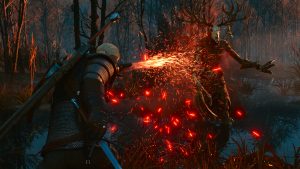
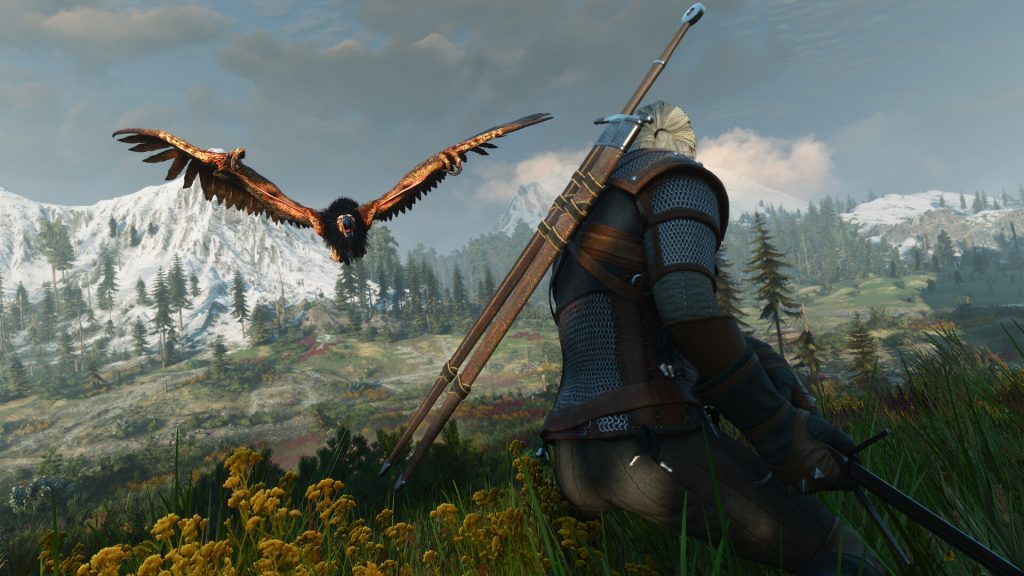
Steel swords are normally used against humans and animals, while silver swords are used against monsters. The target’s health-bar color helps identify the appropriate weapon. Check what Geralt has drawn before assuming a difficult enemy requires an entirely new build.
Use a few deliberate attacks, then move before the enemy’s response. A quick dodge often preserves better positioning than a long roll. Parrying is useful in suitable encounters, but a large monster’s attack is not automatically something you can safely counter like an ordinary human weapon strike.
2. Use Quen and Read the Enemy
Quen provides a defensive shield and gives you a margin while learning enemy attacks. Cast it when appropriate, keep track of whether it is still active, and reapply when you have the stamina and opportunity. It supports careful combat; it does not make standing inside every attack a reliable plan.
Igni, Aard, Yrden, and Axii have different uses. Read the bestiary for a difficult monster and use the relevant tools instead of casting the same Sign at every target. Enemy resistances and the space available to fight affect what works.
Our Witcher 3 Signs build guide develops this into a focused playstyle. For an early general character, begin by learning when one defensive and one offensive option are useful.
3. Prepare Healing before Leaving Town
Food and healing potions provide ways to recover health. Keep them accessible rather than leaving the useful item buried among dozens of ingredients. Check supplies before a contract or dungeon, especially when the encounter leaves little room to open the inventory safely.
Meditation replenishes consumable supplies when you have the required strong alcohol. On the standard lower difficulty settings, it also restores health; the higher difficulties do not offer that same free recovery. Check your difficulty and any accessibility options before comparing recovery behavior with another player’s run.
Alchemy recipes and their ingredients create the tools you use, including useful potions, bombs, and blade oils. Craft a small set with a clear purpose first. The bestiary helps connect an oil or bomb to the enemy it is meant to affect.
Watch toxicity when drinking alchemical preparations. More active potions are not automatically a better answer to every fight. Read the effects and use a combination you understand rather than filling the toxicity bar because several items are available.
4. Spend Points and Activate the Skills
Choose a main direction such as fast attacks or Signs, then add support that addresses an actual weakness. Place purchased skills into the available active slots as required. Buying an ability and leaving it inactive can explain why the expected benefit never appears in combat.
Places of Power provide skill-point opportunities when first used, along with a temporary bonus to a particular Sign. Nearby points can improve your early options without requiring a long grind through unrelated enemies.
Version matters here. Classic 1.32 guides, the 4.x next-generation update, and the 2026 Remastered 5.x skill system have different balance and progression assumptions. The official Remastered notes describe a prerequisite-based skill tree, three ranks per skill, and a reset of existing skill points during the update.
If a guide’s unlock order does not match your screen, read the actual prerequisite nodes. Use the build for your installed version instead of spending points toward an old threshold that the current skill tree no longer uses.

5. Keep Equipment and Inventory Practical
Compare equipment by level requirements, useful bonuses, and condition, not color alone. A strong weapon you cannot equip yet does not solve the fight in front of you. With ordinary durability enabled, maintain gear through repair services or suitable repair kits.
The 2026 Remastered update also includes an option for unlimited item durability. If you choose that setting, the maintenance burden changes. Read your settings before diagnosing why your equipment does or does not wear down.
Sell unneeded equipment to suitable merchants and keep crafting materials with a planned use. Dismantling can provide ingredients, but inspect what it returns and what it costs before destroying a valuable item. A clear storage routine helps more than carrying every sword you find.
The Witcher gear upgrade guide explains the separate diagram, material, and craftsman requirements for school equipment. Finding an upgrade diagram is only one part of making the item.
6. Read Contracts and Follow One Objective
Notice boards introduce contracts and local tasks. Read the objective and use Witcher Senses where the investigation requires them. Following tracks and inspecting evidence is often the route to understanding a target’s location and weaknesses.
Compare the recommended quest level with your character and preparation. If a fight overwhelms you, return after improving equipment and useful skills. Choosing another suitable quest is a reasonable response rather than repeatedly attacking a target far beyond your current resources.
Keep a manual save before an important conversation or a dangerous expedition. Story choices can have consequences beyond the immediate response, so a separate milestone save is useful when you want to revisit a decision.
7. Learn Gwent as a Separate Activity
The card game in The Witcher 3 uses its own deck-building and round rules. Geralt’s sword strength and combat skills do not make the cards stronger. Begin with ordinary practice matches and improve the deck by collecting useful cards.
Our in-game Gwent beginner guide explains the match and card-economy decisions. It covers the embedded minigame, which differs from the standalone GWENT game.
Frequently Asked Questions
Do I have to finish every White Orchard marker?
Explore enough to understand equipment, supplies, and useful upgrades. Clearing every marker is optional, and your next objective should follow what the character needs.
Why does meditation not restore my health?
Higher difficulty settings remove the ordinary free health restoration. Check difficulty and your selected accessibility settings, then use an appropriate healing plan.
Why does an old skill guide not match the menu?
Different updates changed skill progression and balance. Remastered 5.x uses prerequisite nodes and three ranks per skill, so follow the installed version’s tree.
Next step: Prepare healing, check active skills and the correct sword, then complete one quest near your current level.
Sources and Version Notes
- Gamepressure: Witcher 3 combat basics supports sword choice and movement fundamentals.
- Gamepressure: Healing and meditation provides the standard difficulty-dependent recovery baseline.
- WitcherHour: Early Game Guide provides current early progression context.
- Official Steam announcement: Remastered changes documents the 2026 skill tree and accessibility updates. Sources were read November 11, 2026; no personal combat benchmarks are claimed.