Quick answer: To tame a lox in Valheim, trap a live lox in a sturdy pen in the Plains, throw barley on the ground inside the pen, and stay nearby while the taming bar fills. Lox are the hardest animal in the game to contain because they are huge and hit hard, so the pen has to be built for a creature that can flatten a wooden wall while you are still placing the gate.
Everything about lox taming is bigger than wolf taming: the animal, the pen, the food bill, and the consequences of getting it wrong. It is also one of the most rewarding projects in Valheim, because a tamed lox is a combat asset you can breed.
Where lox are and what they do to you
Lox live in the Plains, the biome that opens up after the swamp. They wander in ones and twos, they are aggressive when you get close, and their charge does heavy damage with a knockback that can throw you into a deathsquito. They can also break structures, which is the detail that decides your pen design.
The Plains itself is hostile enough that taming there is a combined operation. Deathsquitos are fast and hit hard, fulings patrol in groups, and growths appear at night. You are not just building a pen, you are building a small fortified outpost with enough clear ground around it that nothing wanders into the project.
Come prepared with Plains-tier food, a good shield, and a plan for the fuling camp nearest to your chosen site. If there is a village within sight of your pen, clear it or build somewhere else.

Building a lox-proof pen
A wooden fence will not hold a lox. Use raised earth or stone, and make the walls tall enough that the animal cannot simply walk over a low section. Raising earth with the hoe is the cheapest reliable method: it is indestructible to normal attacks and a lox cannot chew through terrain.
The practical design is a rectangular pit or a walled yard:
- Pit. Dig a wide, deep pit with the pickaxe. Lox fall in and cannot climb out. Cheap, permanent, and very hard for the animal to escape, but you need a ramp or a stair for yourself and you have to be careful not to fall in with it.
- Earth-walled yard. Raise a wall of terrain around a flat area with one gap you can close with a gate or a build piece. Easier to work in, easier to breed in, and much better for a long-term lox farm.
Either way, make the enclosure generous. A lox needs room to turn around, and a cramped pen means food you throw lands in a spot the animal cannot reach. A yard of roughly ten by ten metres is a comfortable working size; smaller works for one animal but makes breeding miserable.
Keep the pen away from your storage and your tamed boars. A loose lox is a demolition event.
Getting a lox into the pen
Lox are too large to push and too dangerous to shove. Three approaches actually work.
The pit lure is the classic. Dig the pit near a lox spawn, get its attention, and lead it into the hole. It is simple and it costs nothing, and the animal cannot hurt you once it is below the lip of the pit.
The walled funnel is the second. Build two long earth walls forming a corridor that narrows into your yard, then stand at the far end and let the lox chase you in. Close the gap behind it with a build piece. This takes more preparation but gives you a proper enclosure at the end rather than a hole in the ground.
The third is patience with a tamed animal: if you already have one tamed lox, you do not need to trap more, because breeding produces the rest. Many players tame exactly one lox and then run a breeding yard forever.
Do not attack the lox during any of this. You need it alive and at full health, and hitting it resets taming progress.
Feeding, waiting and the proximity rule
Barley is the food you want for lox taming and for keeping tamed lox fed. Throw it on the ground inside the enclosure and let the animal come to it. As with other animals in Valheim, taming only progresses while the animal is contained, has food available, and a player is nearby; if you leave the area, the timer idles.
That requirement is more painful in the Plains than in the Mountains, because standing around near an aggressive animal in a hostile biome is genuinely risky. Build a small shelter with a roof beside the pen, keep a fire lit, and use the time productively: repair gear, sort loot, cut local trees for building materials. The shelter also gives you somewhere to retreat to when a fuling patrol wanders past.
Keep feeding. Food that is eaten needs replacing, and an animal that has run out of food stops making progress. Check the pen every so often rather than assuming the process continues on its own.
Lox take a long time to tame. Plan for a session rather than a quick errand, and do not start the project at dusk when Plains spawns get worse.
What a tamed lox is actually good for
First, it is a mobile wall. A lox in front of you absorbs enormous amounts of damage, and its charge attack disrupts enemy formations. Bringing a lox to a fuling camp changes the fight from a skirmish into a rout.
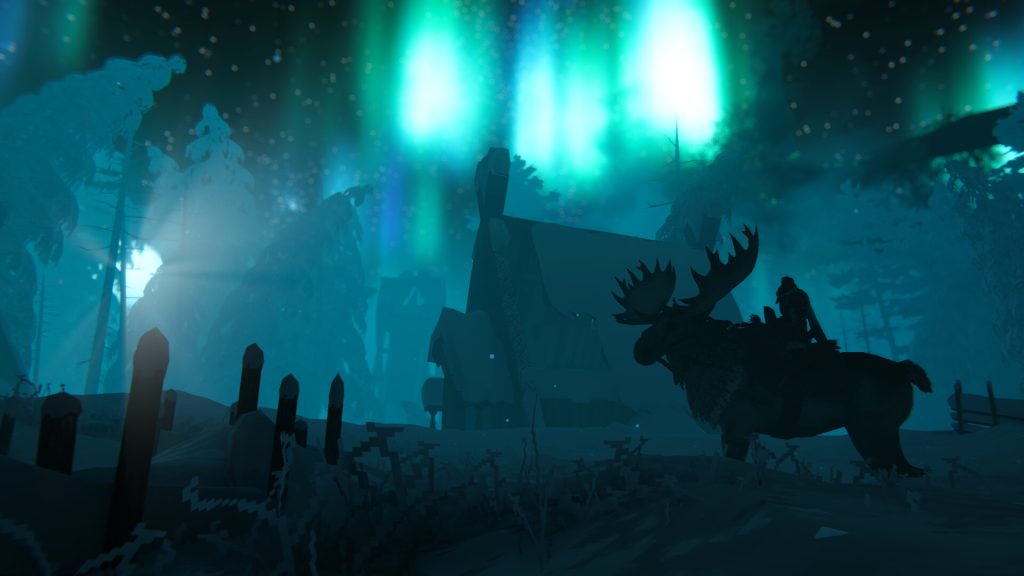
Second, it is transport. Lox can be ridden once you have the right saddle, and a ridden lox moves quickly across the Plains and carries you past threats that would otherwise require a fight. Riding also lets you reposition your pack without walking them through dangerous ground.
Third, it is a resource. Lox drop meat and pelts, and tamed lox can be bred so that the supply does not depend on hunting wild animals. The pelts feed into the Plains-tier cape and armour chain, and the meat is solid food.
Fourth, it is a deterrent. Predators and fulings that wander into your base meet something that hits harder than they do. A breeding pair behind earth walls makes a Plains base dramatically safer.
If you want the same workflow at a lower difficulty, wolves are the practice version: see how to tame wolves.
Breeding lox and managing a herd
Two tamed, well-fed lox in the same enclosure will breed, and the calf grows into an adult. Because a lox is large, your breeding yard needs a separate section from your working pen; otherwise the calf ends up underfoot and the adults cannot reach the food.
Feed consistently. Breeding requires fed animals, and a herd that runs out of barley stops producing. Keep a chest of barley next to the pen and top it up whenever you pass, the same way you would keep a wolf pen stocked with meat.
Decide early whether you are running a pet project or an industrial one. A herd of lox is a serious food and material supply, but it is also a lot of barley, and barley only grows in the Plains, which means your farm and your herd need to be in the same biome.
Common failures and how to avoid them
The most common failure is a pen that is too weak. A wooden fence line looks fine until a lox decides to leave, at which point you have a loose lox in your base. Build with earth or stone.
The second is the food-throwing problem. If the ground inside the pen is uneven, barley rolls or lands where the animal cannot path. Flatten the floor with the hoe before you start.
The third is losing patience and hitting the animal. There is no partial credit: an attack resets progress. Use a weapon-free approach to move the lox, and keep area attacks out of the pen entirely.
Finally, be honest about the biome risk. If your base is not in the Plains, you may be better off taming the lox at a Plains outpost and leaving it there. Transporting a live lox across biomes is a project of its own.
Frequently asked questions
What food tames a lox?
Barley. Throw it on the ground inside the enclosure and keep it topped up.
Why does lox taming not progress?
The lox must be contained, fed, and within range of a player. Leaving the area pauses progress.
Can I ride a lox?
Yes. A tamed lox can be ridden once you craft the appropriate saddle, which makes it useful transport as well as a combat animal.
Will a lox destroy my base?
A loose lox can break structures. Keep pens away from buildings and use raised earth or stone rather than wood.
How many lox do I need?
Two tamed, fed adults will breed. Most players tame one and grow the herd from there.
Sources and version notes
Written November 11, 2026 for the current retail build of Valheim on PC. Taming conditions follow the documented animal system; timers, saddle recipes and exact food values are not quoted because they change between updates. Community wikis are secondary references, not official Iron Gate documentation.