TL;DR: In the original Subnautica, begin with an oxygen tank, dependable water, a Scanner, and a Repair Tool. Repair Lifepod 5, collect nearby blueprints, and establish a small powered base before committing to long cave trips. Your first objective is a repeatable supply routine, not reaching the deepest biome.
This Subnautica beginner guide follows a practical order: survive in the Safe Shallows, increase the distance you can travel safely, then use scans and radio leads to expand your equipment. Keep enough oxygen to retrace the route you actually swam. Freedom mode removes food and water pressure, while Survival mode makes both part of every expedition.
The ocean gives you several tempting objectives at once. A fragment, an unusual cave, and a distant radio marker can each pull you away from home. Pick one purpose before leaving the lifepod and return with the materials for that purpose instead of a full inventory of unrelated finds.

On this page
1. Turn Lifepod 5 into a Working Supply Point
Use the lifepod’s Fabricator to turn resources into tools, equipment, food, and water. The Medical Kit Fabricator supplies first aid kits, so check it before leaving on a longer trip. Keep this starting location easy to recognize; it remains useful while your first base is still incomplete.
The Repair Tool restores damaged lifepod equipment, including the radio. Its recipe needs cave sulfur, so you will eventually need to inspect shallow caves. Take short trips into one opening at a time. Crashfish leave their sulfur plants to attack, and returning to the plant afterward lets you collect the material; do not stand beside the fish waiting for it to explode.
Repairing the radio introduces leads and story messages. Listening does not mean you must immediately visit every marker. Treat a radio destination as a suggestion to evaluate against your equipment, oxygen supply, and vehicle depth limit.
2. Build the Tools That Extend Each Trip
A Standard O₂ Tank is an early priority because a larger reserve gives you more time to collect and return. Equip the tank after crafting it. Making an item and leaving it in storage does not increase the oxygen available on the next dive.
| Early item | What it changes | Common mistake |
|---|---|---|
| Oxygen tank | Longer diving reserve | Entering a cave without budgeting the return |
| Scanner | Blueprint and databank progress | Collecting materials while ignoring fragments |
| Survival Knife | Harvesting plant and coral materials | Confusing seed clusters with cut plant samples |
| Repair Tool | Restoring damaged equipment | Following radio leads before preparing |
| Fins | Improved swimming mobility | Expecting speed to replace an oxygen reserve |
Copper and acid mushrooms support early battery production. Creepvine seed clusters are the glowing clusters on the large plants in the Kelp Forest, and provide silicone rubber. A knife harvests different materials from plants, so read the Fabricator’s ingredient name carefully before swimming out to collect more.
3. Establish Food and Water Habits
In Survival mode, collect water before the thirst meter becomes an emergency. Bladderfish can be processed into filtered water. Bleach provides another water route once you have the necessary materials and understand the Fabricator recipe. Reserve some inventory space for the supplies you need on the journey home.
Cooked fish support short outings, but food preservation matters when you plan to stay away. Curing fish with salt provides an option for longer travel. Eat and drink at home, then take a reserve rather than assuming the next biome will offer an easy replacement.
Inventory discipline starts here. Keep an emergency drink and food separate from the resources intended for a new tool. If your gathering trip repeatedly becomes a desperate hunt for bladderfish, shorten the trip and prepare supplies before leaving.
4. Scan Fragments and Record Useful Locations
The Scanner turns scattered technology fragments into blueprint progress. Check the name and progress shown during a scan. Several pieces that look similar can belong to different blueprints, and one successful scan does not necessarily unlock the finished item.
Look around nearby debris and accessible wreck areas before entering long passages. Some wreck sections require additional tools, and their interiors make the exit harder to identify. Keep early searches close to an obvious opening and stop before an oxygen warning forces a hurried decision.
Use a Beacon for a location worth revisiting: a wreck, a cave entrance, or a planned base. Give it a useful name such as the resource and route it represents. A small set of clear markers is easier to follow than many unnamed icons covering the screen.

5. Explore One New Biome at a Time
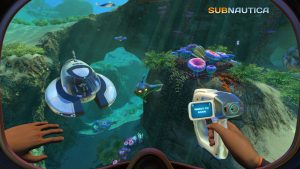
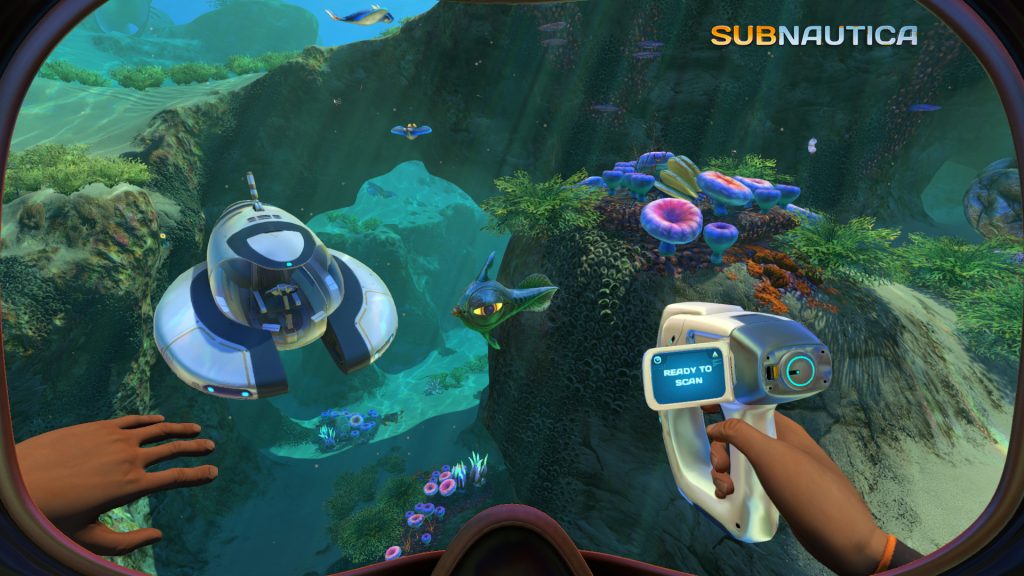
The Safe Shallows are a starting area rather than a promise of absolute safety. The Kelp Forest adds useful plant materials and Stalkers; nearby grassy areas add fragments and new cave entrances. Learn what a neighboring biome looks like before crossing it in poor visibility.
Set a return point that leaves room for mistakes. If the outward route involved a winding cave or a search through debris, returning can take longer than swimming directly upward in open water. A larger tank helps, but it cannot make a blocked or forgotten exit harmless.
Vehicles later provide mobility and an oxygen refuge. Check their crush-depth limits before using them to descend. Parking at a safe depth and swimming a brief distance deeper is a different decision from driving the vehicle beyond its limit.
6. Build a Small Powered Base
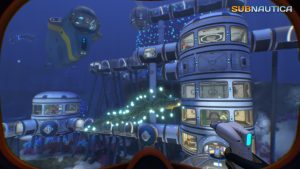
Your first seabase needs a compartment, a hatch, and power. A shallow location near resources makes solar power a reasonable starting choice. Add storage and a Fabricator before turning the base into a decorative building project.
A powered underwater base produces oxygen. A dark, unpowered compartment is not a dependable breathing station, so confirm its power state before treating it as a remote refuge. Keep hull integrity above zero as you add sections, then repair any leaks that have already formed.
Follow the Subnautica base building guide for the construction and flooding checks. After your basic supply routine works, the magnetite search guide covers a resource trip that needs more careful depth planning.
7. Choose the Next Upgrade from the Problem You Have
If oxygen limits every trip, improve diving capacity. If travel consumes most of the outing, prioritize mobility and its blueprints. If storage is the problem, expand the base. This keeps progression connected to an actual obstacle instead of an equipment list copied from someone much farther into the game.
Save manually before leaving on a risky expedition, and check that you have recorded the progress you intend to keep. Saving and the game’s normal death-and-respawn rules are separate systems. Do not assume that returning to a habitat after death restores a lost vehicle or everything collected on the outing.
Keep advanced resource expeditions separate from general exploration. Our aerogel crafting guide explains a later material chain. You do not need to complete that chain to make a useful early base.
Frequently Asked Questions
Should I visit the Aurora immediately?
No. Prepare for its environmental hazards and equipment requirements before approaching closely. Early food, oxygen, repairs, and blueprint collection give you useful progress without rushing that expedition.
Is this guide for Below Zero?
No. It covers the original Subnautica and Lifepod 5. Below Zero has a different starting area, progression, and vehicle selection, so its routes should be followed separately.
Does Freedom mode remove oxygen management?
No. Freedom removes hunger and thirst, but you still need to manage oxygen and other hazards. Creative mode changes survival rules much more substantially.
Next step: Equip an oxygen tank, prepare a reserve drink, and finish one nearby Scanner or Repair Tool objective. Return to your supply point before choosing the next trip.
Sources and Game Scope
- Subnautica Wiki: Getting Started supports early tools, resources, scanning, and lifepod progression.
- Subnautica Wiki: Seabases supports basic construction, power, oxygen, and hull integrity. These community references were read November 11, 2026; this guide covers the original game and does not claim personal playtesting.