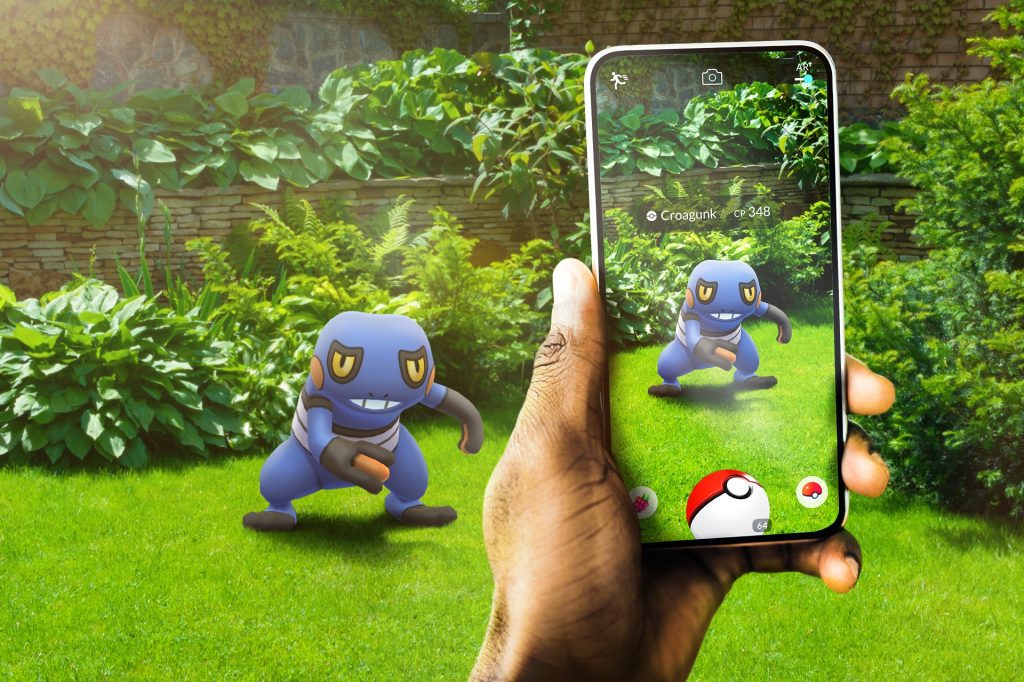
TL;DR: Start Pokémon GO by catching nearby Pokémon, spinning accessible PokéStops and following the opening research and account instructions. Practice the target-ring throw, use berries for a clear purpose and keep enough balls for the next outing. Review a Pokémon’s role before spending valuable upgrade resources on an early catch.
This Pokemon GO beginner guide focuses on useful first habits. Events, research, available Pokémon and Trainer-level requirements change over time, so it does not promise a particular rare spawn or repeat an old level cap as a current rule. The official help pages were read by their actual returned titles rather than by outdated URL labels.
| Early action | What to look at | Practical result |
|---|---|---|
| Find a Pokémon | Nearby list and map | Start a real encounter |
| Throw a ball | Target ring, movement and available balls | Practice consistent catch attempts |
| Choose a berry | Razz, Nanab or Pinap effect | Support the current catch goal |
| Spin a PokéStop | Available items and bag room | Replenish ordinary supplies |
| Review a Pokémon | Species, candy, CP, moves and appraisal | Decide whether to keep, evolve or invest |
| Begin battling | Opponent types and your move types | Choose a useful matchup before judging CP alone |

On this page
1. Learn the map and Nearby list
Wild Pokémon appear on the map as you explore. Tap one to start an encounter. The official catching guide describes the Nearby section at the bottom-right of the map, with known Pokémon shown in color and unfamiliar ones as silhouettes.
Use the map to decide where to walk, then pay attention to the actual area around you. Nearby does not mean you should enter a closed property or an inaccessible route. Parks and other accessible public locations can make an ordinary outing easier to manage than constantly chasing the farthest silhouette.
Some Pokémon depend on environments, events or other conditions. Incense and similar items can also affect encounters. Treat those as ways the available pool can change, not as a guarantee that one exact Pokémon appears whenever you activate an item. Check the current event information before planning a trip around a special encounter.
2. Practice one consistent throw
During an encounter, hold the Poké Ball and watch the colored target ring. The official guide describes green as easier capture difficulty, orange as intermediate and red as more difficult. The ring changes size, and accurate throws within it can earn Nice, Great or Excellent bonuses.
Start by landing ordinary throws reliably, then practice the timing for smaller rings. A difficult throw that repeatedly misses uses supplies without producing the intended catch attempt. Watch the Pokémon’s movement and attack animation so you do not release the ball at the same predictable failed moment.
For a curveball, spin the ball before releasing it. The official guide says curveballs help the catch chance and can provide an XP bonus. Practice on common encounters until the motion feels repeatable. You do not need to begin with every throw at the smallest possible ring.
3. Choose berries for the current goal
Razz Berries help make a Pokémon less likely to break free from a ball; Golden Razz Berries further improve the attempt. Nanab Berries reduce movement, which can make a difficult-to-hit target easier. Pinap Berries increase the Candy received if the catch succeeds.
Choose based on the problem in front of you. If you are collecting Candy for a species and can catch it reliably, a Pinap can serve that goal. If movement is causing repeated misses, a Nanab addresses the throw problem. If the encounter is hard to retain, a catch-supporting berry is more relevant.
The official page also describes Silver Pinap Berries as combining catch support with a Candy benefit. Read the current item description before using a rarer berry on an ordinary encounter. An item helps its stated effect; it does not guarantee the Pokémon cannot escape.
4. Keep ordinary supplies available
PokéStops and Gifts are sources of more balls, as the official catching guide explains. Check your Item Bag and available ball count before a longer outing. Running out partway through a walk can make the next several encounters unusable until you replenish supplies.
Great Balls and Ultra Balls improve ordinary catching capability compared with the basic ball. Keep some for encounters where the extra support matters. You can select the available ball type from the encounter interface rather than assume the last ball you used is always the best choice for the next Pokémon.
The help page describes a setting that remembers the last-used ball. If enabled, check the selected type before throwing so you do not unintentionally spend a rarer supply on every common encounter. If that type runs out, the game can fall back to ordinary Poké Balls.

5. Review catches before evolving or transferring
Early catches introduce species, Candy, Combat Power and moves. Take time to compare them instead of investing in every Pokémon that has a larger number than the previous one. A useful long-term choice depends on the activity you want to play and the Pokémon’s available moves and role.
Keep an intended candidate protected before transferring other catches. Transfers and evolutions are decisions about your collection, so inspect the selected Pokémon and any warning. A collection goal, a raid attacker and a PvP candidate can have different priorities; one simple highest-CP rule does not answer all three.
Use the game’s appraisal and Pokémon information to learn what you own, but avoid treating appraisal alone as a guarantee of the best battle performance. Species, moves, level and the matchup also matter. Save upgrade resources until you have a concrete reason to use them.
6. Follow current research and level progress
Trainer XP comes from actions such as catches, PokéStops and battles. The current official leveling and medals page explains that later levels can also require specific Level-Up Research tasks. Read the actual requirements shown in your profile rather than follow a guide that assumes every level needs only XP.
Use the early research as a short list of next tasks. Catching, collecting and learning the available game systems gives you useful progress without requiring an immediate perfect team. Events can offer separate research or timed tasks, so check which objective you are working on and whether it has its own deadline.
Medals track milestones such as distance, catches and other activities. Some provide rewards such as type-related catching bonuses. They are another reason to keep ordinary catches useful, but you do not need to chase every medal at once during the opening days.
7. Learn move types before judging battles
Pokémon have defensive types, and their moves have attacking types. A higher-CP attacker with poorly matched moves can be less useful for an opponent than a suitable attacker using an effective move. Begin by learning a few clear examples, such as Water attacks against Fire and Electric attacks against Water.
Dual-type defenders require checking both types. Pokémon GO uses its own effectiveness multipliers rather than the familiar main-series two-times and half-damage values. Use the Pokémon GO type chart when selecting a move or understanding an unexpectedly weak hit.
Pokemon GO beginner guide: frequently asked questions
Does a red catch ring mean the Pokémon cannot be caught?
No. It indicates higher difficulty. Improve the attempt with appropriate balls, berries and a reliable throw. Encounters can still break free or flee, so no ring color or item should be treated as a guaranteed capture.
Should I power up every strong-looking early catch?
Choose a goal first and check the Pokémon’s role, moves and resource cost. Keeping resources until you understand the activity is often more useful than repeatedly replacing upgraded early candidates.
Next step: Practice ordinary and curved throws, keep ball supplies available and complete one current research objective. Then read the type-effectiveness guide before building a specialist team.
For your next outing, choose one of three goals: practice catches, replenish supplies or finish a research objective. A catch-practice walk works best when you have enough ordinary balls to repeat the same motion. Watch which attempts miss completely and which land inside the target ring. Improve that one action before using a rare ball or berry to compensate for inconsistent aim. This gives you a repeatable habit you can carry into harder encounters.
A supply-focused walk starts with checking bag space and your remaining balls. Plan around accessible PokéStops rather than a rare silhouette far away. If your bag is full, inspect the items already taking space and decide what you actually use; read the selected item’s name before making a collection-management decision. Keep the route short enough that the supplies you collect are useful on the way home as well as at the first stop.
A research-focused outing starts inside the research screen. Read the exact action requested and check whether the task has a deadline. A task about a particular throw or species needs a different plan from an ordinary catching session. Work on one objective you can reasonably complete in the available area, then review the next task. An event description or an old guide cannot replace the requirements currently shown on your account.
After the outing, review the catches you want to keep before spending upgrade resources. Choose a collection goal or a battle role, inspect the Pokémon’s moves and available Candy, and compare the cost with what you own. A useful first week builds reliable catching habits and an understandable collection. It does not require upgrading every new species immediately or copying a specialist team before you know which activity you enjoy.
Sources and version notes
- Pokémon GO
- How to find and catch wild Pokémon — Pokémon GO Help Center
- How do I level up and earn medals? — Pokémon GO Help Center
Official developer, publisher and storefront pages plus separately identified editorial/community references read November 11, 2026. Recommendations reflect documented features and editorial fit; no personal playtest, price comparison, benchmark or measured SEO score is claimed. Version and mode assumptions are stated in each article. Official support pages and editorial/community mechanics references are distinguished.