Quick answer: Expeditions start from the Space Anomaly, and they use a separate save rather than your main one. Fly to the Anomaly, use the Expedition terminal there to begin, and the game creates a fresh expedition save with its own progress and milestones. Your rewards are account-wide, which is the point: the expedition is a short, structured run that feeds things back to your main save.
Expeditions confuse a lot of players because they look like they should be started from the main menu, and they look like they should use the character they have been playing. Neither is quite right. Understanding what an expedition actually is, and what it is not, removes almost all of the confusion before you commit time to one.
What is an expedition, and how is it different from normal play?
An expedition is a time-limited, structured version of No Man’s Sky. You start with a fresh character and a deliberately minimal setup, and you work through a list of milestones grouped into phases.
The difference from normal play is the direction. In a normal save you decide what to do next, and the game follows you. In an expedition, the game sets the agenda and you follow it, which means the milestones define the route and the rewards define the reason to take it.
Expeditions are also temporary. They run for a limited window and then close, which is why starting one late in its run can leave you short of time to finish. If you are considering one, checking how much time is left before you start is worth the thirty seconds.

Where exactly do you start an expedition?
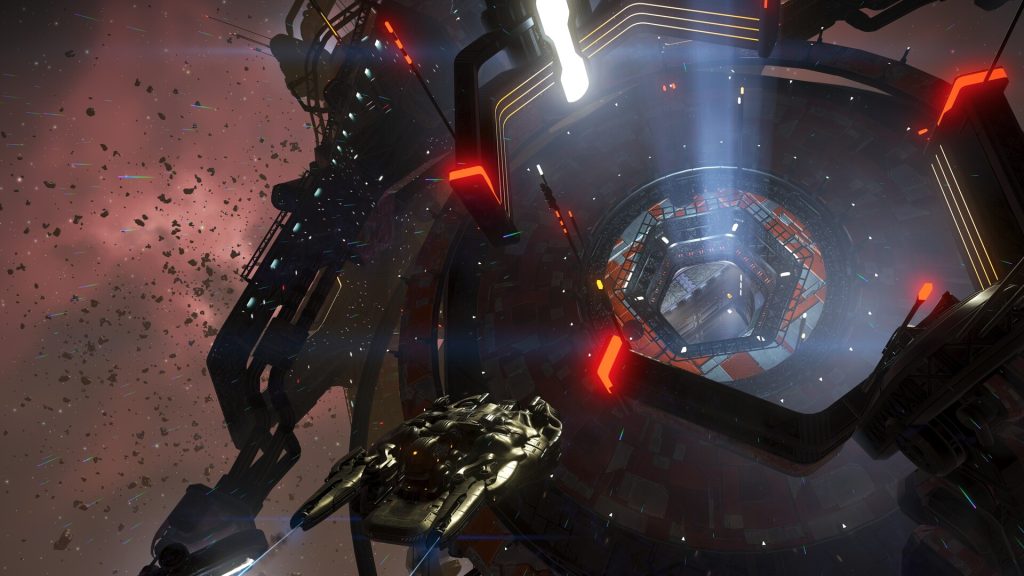
The launch point is the Space Anomaly. Fly there, dock, and look for the Expedition terminal inside rather than hunting through your save menu.
Using that terminal begins the expedition, and the game handles the rest: it creates the separate expedition save and puts you into the starting situation for that run.
If you cannot find the terminal, slow down and walk the Anomaly properly rather than circling the landing bay. The Anomaly has several terminals and stations, and they are spread across the interior, which is why players who land, glance around and leave conclude the feature is missing.
One practical prerequisite: you need access to the Space Anomaly in the first place. If you have not reached the point in a save where the Anomaly is available to you, that is the step to complete before an expedition is an option.
Why does an expedition use a separate save?
This is the detail that causes the most anxiety, and it is deliberate. An expedition is a self-contained run, so it gets its own save slot rather than borrowing your main character.
The upside is that nothing you do in an expedition can damage your main save. You cannot lose your base, your ship or your progress by experimenting in an expedition, because you are not playing that character at all.
The downside is that an expedition character does not carry your inventory, your blueprints or your ships. You start from the expedition’s own starting conditions, which is why early milestones are about basics you solved long ago in your main save.
That is not a bug and it is not a punishment. The restricted start is the design: an expedition is interesting because it forces you to solve the early game again under a specific set of constraints.
How do milestones and phases work?
An expedition is divided into phases, and each phase contains a set of milestones. Completing milestones advances the expedition and unlocks rewards.
| Element | What it means in practice |
|---|---|
| Phases | Groupings of milestones that form the overall arc of the run |
| Milestones | Specific tasks, each with its own reward when completed |
| Final reward | The headline unlock for finishing the expedition, usually cosmetic or a unique item |
| Account rewards | Items and unlocks that can be claimed on your other saves |
The important thing to understand is that rewards are the reason to run it, and the milestones are the route. If a phase looks tedious, it is usually because the reward on the other side is worth having, and the expedition is designed so that finishing is achievable within the window.
Track your progress through the expedition menu rather than from memory. With several milestones open at once, it is easy to forget which one is nearly complete and which one you have not started.
What should you do first in an expedition?
Every expedition has its own starting conditions, but the first hour tends to follow a pattern, and getting it right early saves a lot of frustration.
Sort out your immediate survival needs before chasing milestones. A character who runs out of the basics mid-task loses more time recovering than they gained by rushing.
Then read the milestone list in full before acting. Several milestones often overlap, and knowing that means a single action can progress two of them at once. Players who work through the list in order without reading ahead do noticeably more work for the same result.
Finally, accept that the expedition start is meant to feel thin. You will not have the tools you are used to, and spending the first phase reacquiring basics is normal rather than a sign you are doing it wrong.
Can you bring things back to your main save?
Yes, in a limited way, and this is where the feature becomes genuinely valuable rather than a curiosity.
Rewards earned in an expedition can be claimed on your other saves, which is the whole incentive structure. The expedition is a temporary run, but what comes out of it persists.
That is why it is worth finishing phases rather than stopping when the novelty wears off. Half an expedition often yields less than the effort deserved, while a completed one gives you the headline reward on top of the individual milestone items.
Check the reward details in the expedition menu as you go, so you know what you are working toward and whether the remaining milestones justify the time left in the window.
Common problems
Starting too late in the window is the most common regret. Expeditions close, and a run you cannot finish is time spent for partial rewards.
Looking for the expedition in the wrong place is the second. It is in the Space Anomaly, not buried in a save menu or a mode selector.
Expecting main-save progress is the third. Your ships, inventory and blueprints do not come with you, and players who expect them spend the first phase confused about where everything went.
Ignoring overlapping milestones is the fourth. Reading the whole list early is the single cheapest efficiency gain available in any expedition.
Frequently asked questions
Do you need to finish your main story first?
No. Expeditions are their own runs, and the main story is not a prerequisite beyond having access to the Space Anomaly.
Are expeditions multiplayer?
You can encounter other players during an expedition, and many players run them alongside friends. The milestone structure is the same either way.
What happens when an expedition ends?
The window closes and the run is no longer available to start. Rewards you have already earned remain claimable, which is another argument for finishing milestones rather than leaving them half done.
Should a new player start with an expedition?
It is a reasonable way to learn the game quickly, because the milestones teach systems in order. It is a poor first experience if you want a calm introduction, because the expedition start is deliberately austere.
Go to the Space Anomaly, find the terminal, check the time remaining, then read every milestone before you move. That is the whole entry point, and the rest of the expedition tells you what it wants.